William Enoch Butland (1875-1939) was the oldest son of William Ellis Butland and had a particularly illustrious GWR career spanning 50 years. Like his father, he began his working life as a GWR carpenter, a job he was doing by the age of 16, in Taunton. Ten years later, he was living in Weston Super Mare and had progressed to the role of Permanent Way Inspector, having served an apprenticeship. William Enoch married the same year, and he and his wife Bessie moved to Sydney, Australia where he worked on goverment railways for two years. The couple and their two children (both born in Australia) returned to England in 1903 and settled back in Taunton.
William Enoch returned to the GWR and the role of Permanent Way Inspector. Local press in 1904 and 1905 show him representing the company at two inquests into deaths on the railways, one of which was particularly gruesome. The full articles are attached.
In 1909, William Enoch took up a new position as Divisional Inspector of Bridges and the family moved to Shrewsbury, where they remained for ten years before returning to Devon and settling in Plymouth. William Enoch’s role involved travel all over the area served by the GWR though, and an article form 1927 reports an injury he received while working in Cornwall.

Despite this, William Enoch was known as a champion of safety on the railways and also promoted education of railway workers. He was himself an intelligent and articulate man who particularly liked to write and had a total of seven articles published by the Permanent Way Journal between 1896 – 1929. One of the two papers published in 1929 actually had the work on Saltash bridge (article above) as its subject. The other, entitled “Technical education for the permanent way staff”, won him a prize.

In 1936, William Enoch’s work was formally recognised and he received a British Empire Medal (BEM) for meritious service in the New Years Honours. I have attached some further articles about William Enoch below. Sadly, he died in 1936, only a few months before he was due to retire.
William Enoch’s younger son, Arthur Norman Butland (1904-1979) worked for the GWR, again in engineering. Also highly intelligent, he was for a time the youngest person in England to achieve a BA (Hons) degree.
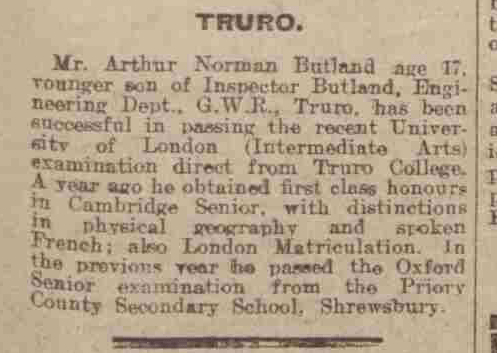
Arthur worked as Resident Engineer at Greenford in Ealing, before being promoted to Assistant Divisional Engineer at Taunton in 1940. By 1945 he was the Assistant District Engineer and helped to organise an exhibition showcasing penicillin and modern medicine on behalf of the GWR. Two years later, in May 1947, Arthur took up a new post in London, as assistant to the Chief Engineer at Paddington station.

On 1 April 1948, GWR, along with the other 3 main railway companies, was nationalised and British Rail was formed. Arthur received his next promotion, to Divisional Engineer (Western Region) back in Taunton in November 1948. The following April, he took up the Divisional Engineer post at Bristol.
Like his father, Arthur also had articles published in the Permanent Way Journal, one in 1933 related to divisional bridges, and the other in 1964 was entitled “The permanent way ahead”. He was passionate about innovation and wanted to see the railways brought up to date, he is quoted in this 1960 article (from p212). Arthur eventually became Chief Engineer (Midland Region) for British Rail, a role that saw him leading on the plans to redesign the Euston mainline in the 1960s as part of the phasing out of steam locomotives and electrification of the railways; he wrote this article about the project in 1966 which includes several recommendations for future electrification work. The project encompassed the rebuilding of Euston station as well as Manchester Oxford Road and Piccadilly stations, Birmingham New Street, Coventry, Stafford and Northampton. The new Euston station reopened in 1968.
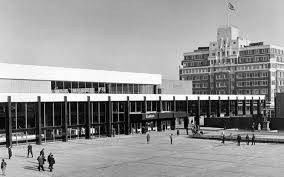
At some point during the Euston project, Arthur was appointed Chief Civil Engineer for the Railway Board. In September 1966, he appeared in the press again, when he announced the introduction of new track maintenance technology to replace manual work. More detail on this can be found in the attached file which also contains other articles about Arthur’s career. Arthur died in Woking, Surrey, in 1979.
The youngest of William Ellis Butland’s sons was Edwin James Butland (1878 – 1919). He was actually the only member of the family to work on the steam locomotives themselves. Edwin James joined the GWR in 1893, at the age of 15, and started work as an engine cleaner at Taunton station. By 1896 he had become a shunting fireman at Taunton, responsible for stoking the engines of the locomotives. This article from 1926 shows that the career path to engine driver often started from cleaner to shunting fireman, as men learned the intricate details of how the locomotive worked. Edwin James progressed through the ranks, becoming a third class fireman in Gloucester, then moving to Wolverhampton where he became a first class fireman. By 1903 he was an engine turner, before finally becoming an engine driver in 1907.
Edwin James’ career did not end there, however. In 1909 he became a Locomotive Sub Inspector at Small Heath station in the Birmingham area.
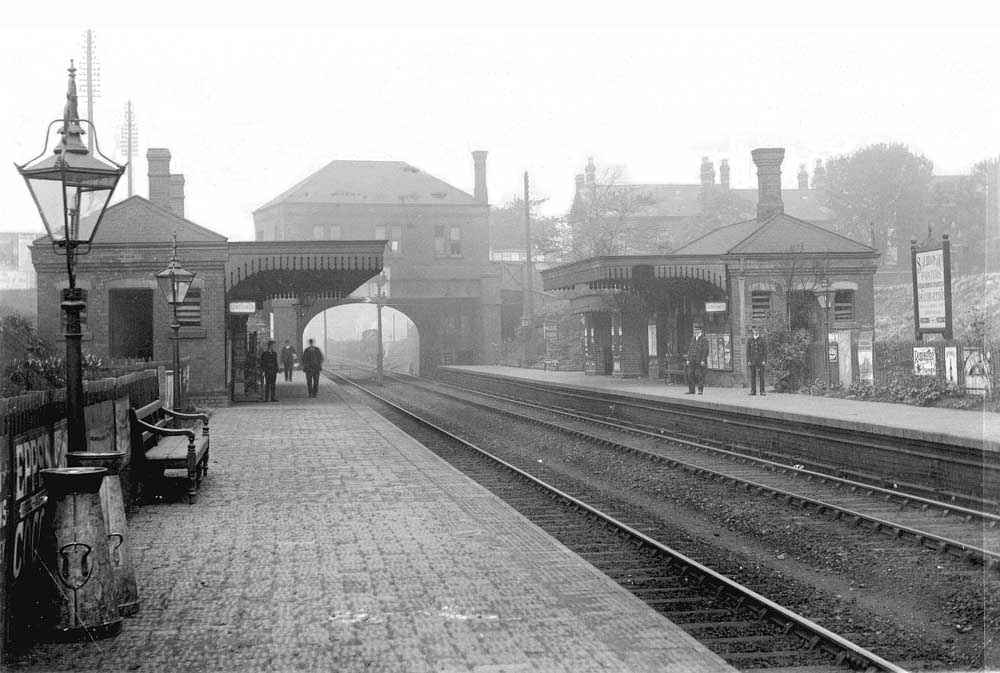
The 1910s saw some more job changes. In 1911, he was working as a Locomotive Inspector in Aston, Birmingham, then moved to Stourbridge where he worked as a Sub Inspector again before working as Assistant Foreman of the Locomotive Shed there. Whilst there, Edwin James fell and hit his knee on a rail, which required two weeks off work while the bruising healed. His final move appears to have been to Chester, near to his wife’s home town of Birkenhead – where the GWR line ended. He was working for the Chester and Croes Newydd District as Assistant Foreman in 1915, this was a large locomotive shed in Wrexham, north Wales.
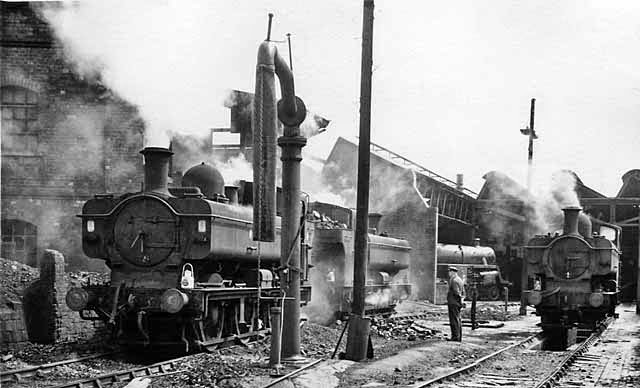
Edwin James sadly died in 1919 aged only 40 years old. Croes Newydd was site of the last working locomotives for the GWR and closed in March 1967; a year later the very last steam-powered passenger locomotive ran in England and the days of steam railways were officially over.
 Butland Gooding Family Tree